Travel and Vacation Planning for Autism Families: A Practical Guide
Family vacations are one of the joys many parents imagine before kids arrive. When your child is autistic, that picture gets more complicated. Unfamiliar environments, sensory surprises, disrupted routines, and unpredictable situations are all the opposite of what supports an autistic child's wellbeing. But traveling is still possible, and for many families, it is genuinely rewarding. The key is thoughtful planning, realistic expectations, and flexibility in what vacation looks like.
Redefining What a Vacation Is
Traditional vacations often involve packed itineraries, new experiences each day, crowded tourist attractions, and long travel legs. For many autism families, these elements are the opposite of restorative.
Consider what a vacation is actually for. Rest. Connection. Shared experiences. Memories. Novelty that enriches rather than overwhelms. A trip that delivers those benefits may look quite different from the kind of vacation your coworkers post on social media, and that is okay.
Some autism families find that slow, routine-based vacations work best. A week at the same rented house, with familiar meals, daily anchors, and limited outside activity, can be more restorative than a whirlwind trip. Others find that familiar destinations, visited repeatedly, allow the child to build genuine comfort and enjoyment in a known place.
Match the vacation to your family, not to the idea of a vacation you carry around from your pre-kid life. A trip that works for your family is a good trip, even if it does not look glamorous.
Destination Considerations
Certain destinations and types of travel are better matches for autism families. Beach rentals and lake houses offer open space, natural sensory regulation, and a slow pace. National parks offer outdoor time and fewer crowds in many areas. Theme parks with robust disability services can work well for families whose children enjoy rides but need accommodations. Road trips allow control over pacing and stops. Cruises offer predictable routines and the same bed each night.
Consider your child's specific sensory profile. A child sensitive to heat may not do well at a summer beach in Florida. A child who is energized by water may love it. A child sensitive to sound will struggle in loud environments. A child who loves trains will find a railway-based trip transformative.
Think about noise, crowds, temperature, food availability, and access to calm spaces. A destination that offers all of these well is a better starting point than a destination that does not.
Researching Accommodations
Many major destinations have accessibility programs that go beyond physical accessibility to include sensory and cognitive supports.
Disney parks have long had disability access services that allow alternate ways to experience attractions. Universal offers similar programs. Some museums have sensory-friendly hours or reduced-stimulation experiences. Some airports have quiet rooms or autism-friendly services.
IBCCES, the International Board of Credentialing and Continuing Education Standards, has developed a Certified Autism Center program that identifies venues and destinations with staff training and autism-specific supports. Their list, updated regularly, can help you identify autism-ready destinations.
Call ahead. Many hotels, restaurants, and attractions have accommodations they do not advertise. Simply asking what they can offer often produces helpful answers.
Air Travel
Airports are sensory challenges: crowds, announcements, security, unpredictable delays, and the actual flight itself. Preparation makes a huge difference.
Call the airline in advance to notify them of your child's needs. Many airlines have disability assistance programs that can include expedited boarding, seating assistance, and other supports.
TSA Cares is a program that provides special assistance through security for travelers with disabilities, including autism. Request this 72 hours in advance. A TSA specialist can walk your family through security, reducing the stress and unpredictability.
Some airports participate in Wings for Autism or Wings for All programs, which offer practice runs at airports before travel. Your family can experience the whole flight sequence, from check-in through boarding, without actually flying. This can be transformative for children anxious about air travel.
Pack a travel bag with sensory tools, preferred snacks, entertainment, comfort items, extra clothes, and medications. Anything that might settle your child during a long flight should be accessible, not in the overhead bin.
Consider seating carefully. Window seats for a child who likes to watch, aisle seats for one who needs to move, bulkhead seats for more space. Preferred position may differ by flight.
Prepare your child with detailed previews. What the airport will look like, what sounds they will hear, what security will involve, how the plane takes off. Social stories, videos of actual airports, and even visits to the airport before the travel day can reduce the shock.
Packing Thoughtfully
The packing list for an autistic child is longer than for a neurotypical child. Plan accordingly.
Sensory tools. Noise-reducing headphones, weighted items, fidgets, preferred tactile objects, chewies if used.
Comfort items. The specific stuffed animal, the familiar blanket, the preferred pajamas. These do not travel well in checked bags where they can be lost. Keep them with you.
Food. Even if you plan to eat at restaurants, pack plenty of preferred foods for the child who will not eat unfamiliar things. Hunger plus overstimulation equals meltdown quickly.
Medications. Enough for the trip plus extra in case of delays. A copy of the prescription for controlled substances. Keep medications in carry-on bags, never checked.
Medical information. A summary of diagnoses, medications, and key contacts. A letter from your doctor if your child has specific conditions that might need explaining in an emergency.
Identification. Some families use medical alert bracelets or tracking devices for children who may wander in unfamiliar environments. Research suggests wandering is a significant risk for many autistic children, and the unfamiliar environment of a vacation increases that risk.
Familiar items. Anything that signals home to your child can help with the disorientation of being somewhere new.
The Daily Rhythm
Maintain a rough daily rhythm even while traveling. Similar wake times, mealtimes, and bedtimes support regulation. Wild departures from normal schedules usually produce dysregulation.
Plan fewer activities than you might for a neurotypical family. Two big activities in a day is usually plenty. One may be better.
Build in downtime. Afternoons back at the hotel or rental. Quiet mornings. Breaks between activities. The unstructured time is as important as the structured activities.
Scout the environment. On arrival, walk around the rental or hotel, identify the quiet spaces, locate the closest emergency exit, and note where bathrooms are. Your child will do better with familiarity.
Establish the travel sleep space thoughtfully. The same bedtime routine as at home, the same comfort items, familiar pajamas. Hotels and rentals can be a sensory challenge, so consider sound machines, blackout window coverings, and whatever else supports sleep.
Managing Meltdowns Away From Home
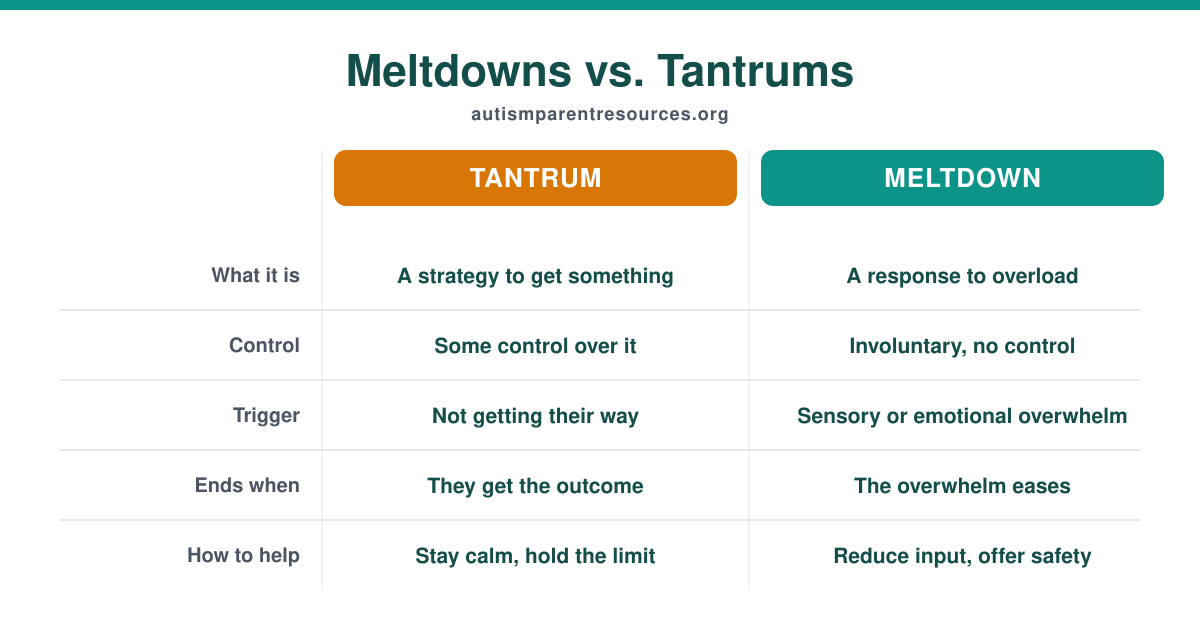
Meltdowns on vacation can feel especially hard. You are tired, out of your normal environment, and often surrounded by strangers who do not understand what is happening.
Have an exit plan for every venue. Know where you will go if things fall apart. The car, a quiet corner, back to the hotel. Having a plan before you need it reduces panic.
Try not to catastrophize when a meltdown happens. A hard afternoon does not ruin the trip. Take the recovery time, regroup, and move on.
Lower your own expectations for specific experiences. If your child cannot tolerate a particular activity you had planned, let it go. Forcing it produces worse outcomes than skipping it.
Food on the Road
Food is often one of the biggest stressors when traveling with an autistic child. Plan accordingly.
Research restaurants in advance. Identify options that have foods your child will eat. Calling ahead to confirm menu items is not overkill.
Rent a place with a kitchen when possible. A vacation rental with a kitchen allows preparation of familiar meals, which can be a huge stress reducer. Full-service hotels are more stressful when food options are limited.
Pack foods that travel. Shelf-stable preferred snacks, favorite bars, and backup options that work when restaurants do not.
Stock the hotel fridge early. Arrive, make a grocery run, and have familiar breakfast foods, snacks, and drinks available. This small investment saves many stressful moments.
When to Travel and When Not To
Some trips are right to attempt, others are not. Read your child and your family honestly.
Consider the stage your child is in. A period of increased dysregulation is not the time to take a big trip. A stretch of stable regulation may be a good window.
Consider the ratio of demand to joy. A trip that demands more than it returns is not worth the cost. Sometimes staying home is the better choice.
Consider the size and length of the trip. A long weekend somewhere nearby may be better than two weeks across the country, especially while you are learning what works.
Expect the trip to look different than it would without an autistic child. That is not worse. It is just different.
Grandparent Visits and Extended Family Travel
Trips involving extended family add layers of complexity. Grandparents may have different expectations about structure, discipline, or pace.
Communicate in advance about your child's needs and your approach. A sensitive conversation before the trip can prevent a tense one during it.
Protect a base camp. If you are visiting family, staying in a hotel or rental may be better than staying in their home, because it gives your family a predictable retreat.
Keep your parenting consistent even when relatives disagree. Your child needs you to respond the way you usually do, even under the eyes of people with opinions.
Staycations and Micro-Vacations
Sometimes the best vacation is not far from home. A staycation, where the family takes time off but stays home or nearby, can provide the rest and connection of a trip without the overwhelm of travel.
Day trips to favorite places. An overnight at a local hotel. A week of pretending to be tourists in your own city. These low-effort vacations are legitimate and often more restorative than high-effort trips.
Give yourself permission to vacation in the way that actually works for your family. The goal is connection and rest, not Instagram photos.
The Larger Picture
Travel with an autistic child takes more planning, more bags, more patience, and more flexibility than most people realize. It also creates experiences that can be uniquely meaningful. A child who finds they love the ocean. A family who discovers a destination they return to year after year. Memories made in the slow, specific way this family does things.
Start small if you are early in your travel experience with your child. Build confidence. Learn what works. Each trip teaches you things that make the next one better.
Your family can travel. It might look different than other families' travel. But different is not worse, and the memories you build together are just as real.
Go when you are ready, in the way that fits your family, and let the trip be what it is.